Digital Products Available Globally | Physical Products currently Shipping to USA, Canada, UK, EU, AU & NZ. ✨ Introductory SALE across all products!

The Decompression Zone 7 Low Stimulation Activities for After School Resets
You have likely felt that sudden shift in the air the moment your child steps through the front door. One minute you are waiting with a warm smile and the next you are witnessing a full scale emotional eruption over the wrong color of snack bowl. This phenomenon is known as After School Restraint Collapse and it is a deeply common experience for modern families across the USA and beyond. It can feel personal but I want to assure you that it is actually a sign of a very healthy attachment between you and your child.
Table of Contents
Your child has spent the last seven hours holding it together in a high stimulation environment. They have navigated complex social hierarchies and followed strict academic rules while suppressing their own needs. When they finally reach their sanctuary at home they feel safe enough to let that bottled up pressure go. This is the core of After School Restraint Collapse and understanding the science behind it is the first step toward reclaiming your family peace.
The Science of the After School Meltdown
When we discuss After School Restraint Collapse we are really talking about the limits of human self regulation. Every child starts their day with a finite amount of emotional energy or what some psychologists call “the regulation bucket”. Throughout the school day that bucket is slowly drained by sensory input like bright fluorescent lights and loud hallways. By the time they see your familiar face their bucket is completely empty and they simply have nothing left to give.
This specific type of After School Restraint Collapse is essentially an emotional detox from the day. It is not a sign of bad behavior or a lack of discipline but rather a physiological response to cognitive overload. When kids feel truly safe they stop performing the “perfect student” persona and allow their raw emotions to surface. As an elite partner in your parenting journey I want to help you view these moments through a lens of empathy rather than frustration.
We must recognize that the modern school environment is often a sensory minefield for developing brains. Between digital screens and constant social interaction the nervous system rarely gets a chance to rest. This cumulative stress is what leads directly to After School Restraint Collapse once the child enters their “safe zone”. By the end of this article you will have a complete blueprint for building a Decompression Zone that helps your child transition smoothly.
Setting the Sensory Stage for Success

The physical environment of your home plays a massive role in managing After School Restraint Collapse. Before your child even walks through the door you have the opportunity to curate a space that actively lowers their cortisol levels. Think of your home as a boutique sanctuary designed to soothe a frayed nervous system. This is about intentionality and creating a visual and auditory “quiet” that contrasts with the school environment.
To effectively mitigate After School Restraint Collapse you should consider these immediate sensory shifts:
- Dimmable Lighting: Switch off harsh overhead lights and use warm lamps or natural sunlight to signal a shift in energy.
- Auditory Minimalism: Turn off the television or loud background music to reduce the “noise” the brain has to process.
- Visual Order: While a perfectly clean house is rare simply clearing the primary entry path of clutter can reduce subconscious stress.
- Olfactory Calm: Utilizing a diffuser with gentle scents like lavender or vanilla can provide an immediate biological signal of safety.
Managing After School Restraint Collapse starts with these invisible environmental cues. When a child enters a space that feels calm they are less likely to stay in a state of high alert. We are essentially trying to “downshift” their nervous system from the frantic pace of the classroom. This environmental setup is a foundational pillar of the Zara Whisper lifestyle and a key part of our Phase 0 mindset for a happy home.
The Decompression Ritual: The First 30 Minutes
The first thirty minutes after arrival are the most critical period for preventing a full After School Restraint Collapse. Many parents make the mistake of immediately asking questions about the day or checking on homework. While these questions come from a place of love they actually place an additional cognitive load on an already exhausted brain. Instead we need to implement a “No-Question Zone” to allow the child to land softly.
During this ritual your primary goal is to provide presence without demands. Let your child lead the interaction and offer physical touch only if they seem to seek it. This intentional silence is a powerful tool against After School Restraint Collapse because it removes the pressure to perform. You are creating a “gap” between the external world and the internal sanctuary of the family.
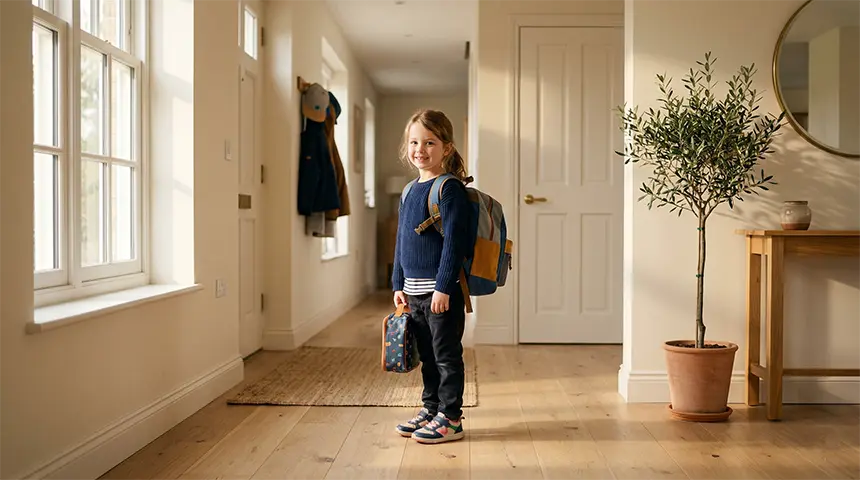
It is helpful to have a dedicated spot for their school gear so they can “shed” the day physically as well as emotionally. This physical act of putting away the backpack and shoes can be a powerful psychological trigger for the brain. By respecting this transition time you are actively teaching your child how to regulate their own energy levels. This consistency is what turns a chaotic afternoon into a predictable rhythm of calm.
Activity 1 – Proprioceptive Peace and Heavy Work
One of the most effective ways to ground a child experiencing After School Restraint Collapse is through proprioceptive input. Proprioception refers to the sensory information our brain receives from our muscles and joints. When a child is overstimulated they often lose their sense of “center”. Activities that involve “heavy work” or deep pressure can help pull them back into their bodies and quiet the mental noise.

Heavy work is a cornerstone of sensory regulation and a brilliant alternative to screen time. It provides a productive outlet for the physical tension that often accompanies After School Restraint Collapse. Instead of an emotional outburst the child can channel that energy into a grounding physical task. This is not about exercise but about providing the brain with the specific type of input it needs to feel safe.
Here are a few ways to introduce proprioceptive peace into your after school routine:
- The Weighted Snuggle: Encourage your child to wrap themselves in a weighted blanket while listening to a screen free audio story.
- Wall Pushes: Have a “contest” to see if you can both push against the wall with all your might for thirty seconds.
- Animal Crawls: Challenge them to move like a heavy bear or a slow turtle across the living room rug.
- The Sensory Squeeze: Offer a deep pressure hug or use a “sandwich” technique with soft couch cushions.
By incorporating these heavy work tasks you are providing a physical solution to the physiological problem of After School Restraint Collapse. It is a proactive way to manage energy before it turns into a meltdown. I recommend keeping a few “grounding tools” near your entry point so they are always within reach when the day feels particularly heavy. This is the essence of building a truly mindful home and an analog childhood that fosters lasting resilience.
Activity 2 – Tactile Sanctuaries and Sensory Play
When your child is deep in the throes of After School Restraint Collapse, their internal world feels like a chaotic storm. One of the fastest ways to anchor them is by engaging their sense of touch through tactile play. Tactile sanctuaries like sensory bins or kinetic sand offer a rhythmic and repetitive motion that naturally slows the heart rate and focuses the mind. This type of sensory play is a foundational tool for managing After School Restraint Collapse because it requires almost zero cognitive effort while providing immense emotional relief.
Creating a dedicated sensory station in your home is a proactive way to mitigate the daily effects of After School Restraint Collapse. You do not need expensive kits or complex setups to make this work. A simple plastic bin filled with dry rice, pasta, or smooth river stones can become a powerful tool for emotional regulation. The goal is to provide a “tactile escape” where the child can sift, pour, and bury their hands without any pressure to achieve a specific outcome.

I recommend having these sensory bins ready and waiting for when the school day ends to prevent After School Restraint Collapse from escalating. By offering a tactile outlet immediately, you are giving the nervous system a chance to “reset” through physical exploration. This method aligns perfectly with our advocacy for an analog childhood where physical materials replace the flickering blue light of a tablet.
Here are three mess-free tactile ideas to help soothe After School Restraint Collapse:
- The Dried Bean Scoop: A large bowl of mixed dried beans with a few measuring cups and spoons for pouring.
- The Silk Play Scape: Soft silk scarves that your child can wave, bunch up, or hide under for a gentle visual and tactile reset.
- The Smooth Stone Sort: A collection of polished stones of different sizes that can be organized by color or texture.
Each of these activities serves to ground the child in the present moment. By focusing on the texture of a stone or the sound of rice falling, they are slowly pulling away from the high-stress demands of the classroom. This shift is essential for anyone navigating the challenges of After School Restraint Collapse. It is about creating a “safety valve” for all that built-up energy to escape in a calm and controlled way.
Activity 3 – The Therapeutic Power of Audio Narratives
We often think of stories as something we read or watch, but for a child dealing with After School Restraint Collapse, simply listening can be the ultimate cure. Audio stories allow a child to enter a world of imagination without the visual overstimulation of a screen. This type of narrative immersion is incredibly effective at reducing the cortisol spikes that contribute to After School Restraint Collapse. It provides a sense of companionship and safety that helps the brain downshift into a state of relaxed focus.

When a child listens to a screen-free audio player or a curated playlist of gentle stories, they are using their “internal eye” to build the world. This active imagination is a key component of child brain development and a direct antidote to the passive consumption of digital media. By replacing the tablet with a narrator’s voice, you are removing the primary source of sensory fatigue. This is a strategic move to shorten the duration of any After School Restraint Collapse symptoms.
I often suggest that parents use audio stories during the “first thirty minutes” transition we discussed earlier. It fills the silence of the house with a soothing presence that does not demand a response from the child. This is a gentle way to bridge the gap between the noise of school and the calm of the home sanctuary. Managing After School Restraint Collapse becomes much easier when you have a library of “calming voices” ready to take over the emotional heavy lifting.
According to research on child neurobiology from the Center on the Developing Child at Harvard University, reducing screen time in the late afternoon significantly improves evening sleep quality. By choosing audio over video, you are protecting your child’s circadian rhythm and overall mental well-being. This is a core pillar of the Zara Whisper philosophy. We believe that an analog-first approach is the most effective way to foster long-term emotional resilience and prevent the burnout that leads to After School Restraint Collapse.
Activity 4 – Low Energy Artistry and Creative Flow
Art is often viewed as a performance, but for a child recovering from a long school day, it should be a release. Low-energy artistry focuses on the “process” rather than the “product,” which is a vital distinction when handling After School Restraint Collapse. Activities like watercolor washes, chalk drawing, or simple charcoal sketching allow for a free-form expression that does not require following rules or meeting expectations. This lack of pressure is what makes it such a potent tool against After School Restraint Collapse.

When a child engages in creative flow, they often enter a state of “monotropism,” where their focus is narrowed down to a single, soothing task. This singular focus is incredibly restorative for a brain that has been pulled in a dozen different directions all day. By providing high-quality, physical art materials, you are encouraging a sensory-rich experience that grounds the child. This is a much more effective way to manage After School Restraint Collapse than allowing a child to zone out in front of a television.
For parents in the USA looking to implement this, I suggest creating a “mobile art caddy” that can be brought out the moment school is over. This caddy should be filled with tactile, high-quality materials that feel good in the hand. The tactile feedback of a soft brush or a smooth crayon provides the proprioceptive input needed to calm the nervous system during an episode of After School Restraint Collapse. It is about making the transition to calm as effortless as possible.
Consider these low-pressure art prompts for after school:
- Watercolor Clouds: Use a wet-on-wet technique to create soft, bleeding colors on thick paper.
- Chalk Shadows: Trace the shadows of indoor plants on a large piece of butcher paper.
- Nature Rubbings: Use crayons to lift the textures from leaves or bark found in your local park.
These activities are designed to be “silent” and “low-demand,” which is the gold standard for avoiding After School Restraint Collapse. They allow the child to process their day internally while their hands are busy with something beautiful. For more on how to curate a home that supports this kind of creative growth, you can read our guide on The Digital Detox: Why Limiting Screen Time is the Ultimate Gift.
Activity 5 – The Reading Nook and the Physical Book
There is a profound psychological difference between reading on a screen and holding a physical book in your hands. For a child on the verge of After School Restraint Collapse, the weight, smell, and texture of paper provide a grounding sensory experience that a digital device simply cannot replicate. A physical book is a static object in a world that is constantly moving too fast. This stability is exactly what a child needs when they are feeling overstimulated and emotionally fragile.
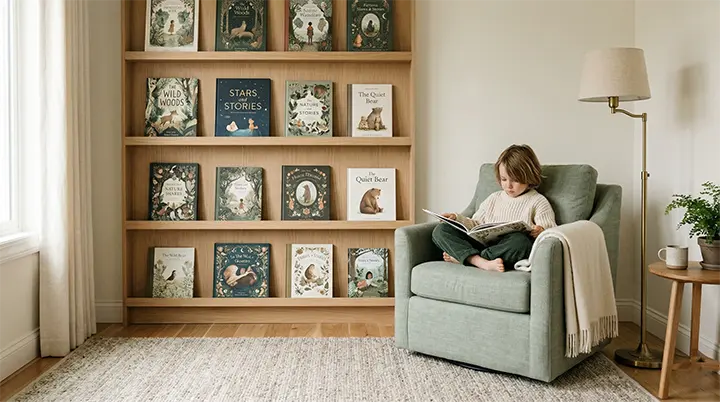
We believe that a well-designed reading nook is the heart of any Decompression Zone. By creating a small, cozy space with soft pillows and a “forward-facing” bookshelf, you are inviting your child into a sanctuary of quiet reflection. This environment is one of our most effective weapons against After School Restraint Collapse because it physically removes the child from the “high-traffic” areas of the home. It gives them permission to disappear into a story until they feel ready to rejoin the family.
When your child selects a book from their shelf, they are taking the first step toward self-regulation. Whether it is a whimsical picture book for younger children or a more complex narrative for older kids, the act of turning pages creates a rhythmic, predictable sequence that calms the brain. This is a crucial strategy for managing After School Restraint Collapse in high-energy households. It turns “down time” into “growth time” without the negative side effects of digital overstimulation.
If you are looking to build your own sanctuary of stories, you might explore our existing guides on Why Paper Matters: The Psychological Benefits of Physical Books or even our inter-niche advice on Balancing Cats and Dogs in a Modern Home to ensure your reading nook remains a peaceful space for everyone. By investing in physical books and a dedicated space for them, you are providing your child with a lifelong tool for emotional health. This is the ultimate goal of the ZestoraLife mission: helping you build a home that is a true refuge from the noise of the world and a shield against After School Restraint Collapse.
Activity 6 – Mindful Puzzles and Fine Motor Focus
When a child is navigating the turbulent waters of After School Restraint Collapse, their cognitive energy is often fragmented. Engaging in a task that requires quiet, sustained focus—like a jigsaw puzzle or a logic game—can act as a mental anchor. This type of play requires fine motor precision, which sends a calming signal to the brain that the immediate environment is safe and controlled. By narrowing their world down to the shape of a single puzzle piece, your child can effectively tune out the lingering “noise” of the classroom.

Puzzles are a fantastic tool for managing After School Restraint Collapse because they are inherently self-correcting. There is no teacher grading the work and no social pressure to perform perfectly. The child simply follows the logic of the physical pieces. This low-pressure environment is exactly what a tired brain needs to recover from the high-stakes atmosphere of modern schooling. It turns a moment of potential crisis into a quiet victory of concentration.
To help your child avoid a full After School Restraint Collapse, consider keeping a variety of “brain-calming” puzzles in your Decompression Zone:
- Classic Wooden Jigsaws: Choose high-quality, aesthetic wooden puzzles that offer a tactile “click” when pieces fit together.
- Pattern Blocks: Using geometric shapes to replicate a design card encourages spatial reasoning and quiet focus.
- Lacing Cards: The repetitive motion of threading string through holes provides excellent proprioceptive feedback.
- Mosaic Sticker Art: Creating a picture piece by piece through sticker placement is a mess-free way to find creative flow.
Each of these options serves to regulate the nervous system and prevent the emotional spikes associated with After School Restraint Collapse. By focusing on a singular, physical task, the child is essentially practicing mindfulness without even realizing it. This is a key strategy for any family looking to implement a more Analog Childhood approach to daily parenting.
Activity 7 – Window Safaris and Nature Observation
Sometimes the best way to handle After School Restraint Collapse is to simply look outward. Connecting with the natural world has been scientifically proven to lower heart rates and reduce anxiety in children. However, after a long day at school, a child might not have the physical energy for a full outdoor hike. A “Window Safari” offers a boutique compromise: the benefits of nature observation from the safety and comfort of your indoor sanctuary.
Setting up a nature observation station at a favorite window can be a powerful deterrent for After School Restraint Collapse. By providing a pair of binoculars and a simple sketchbook, you are inviting your child to become a “citizen scientist”. This shift in perspective—from being the subject of a school day to being an observer of the world—is incredibly empowering for a child who feels drained of autonomy.

Managing After School Restraint Collapse through nature observation works because it utilizes “soft fascination.” Unlike the “hard fascination” required to watch a fast-paced video, looking at a bird or a swaying tree branch allows the brain to rest while remaining engaged. This restorative state is essential for preventing the meltdowns that often occur when a child is pushed past their sensory limits.
Here is a simple 3-step routine to start a Window Safari today:
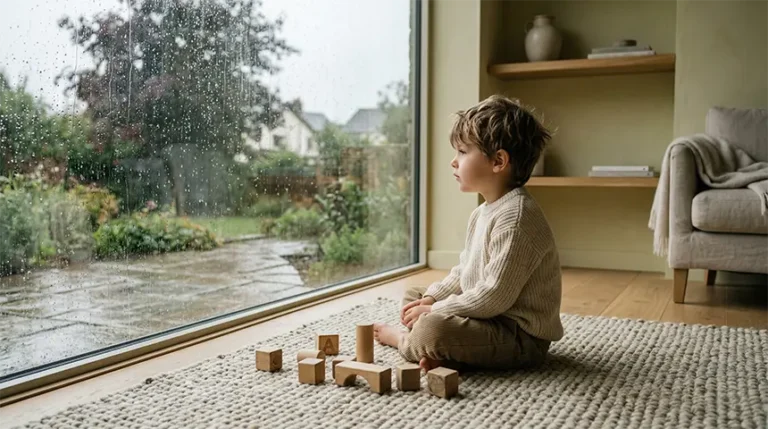
- The Perch: Place a soft chair or a floor cushion near a window that overlooks trees, a garden, or even a busy bird feeder.
- The Tools: Keep a dedicated nature journal and some colored pencils nearby for “field notes” or quick sketches.
- The Observation: Ask your child to find three things that are moving and three things that are still to help ground them in the present moment.
This activity is particularly helpful because it can be done in complete silence. It allows the child to decompress at their own pace while maintaining a sense of wonder. If your family includes furry members, you might even find inspiration in how our pets find their own “calm” by the window, as discussed in our guide on Balancing Cats and Dogs in a Modern Home.
The Zara Whisper Blueprint: Integrating Resets Into Your Rhythm
Successfully navigating After School Restraint Collapse is not about finding a “magic pill” but about building a sustainable rhythm. As the voice behind ZestoraLife, I advocate for a lifestyle that prioritizes connection over completion. Your family rhythm should feel like a boutique experience—curated, intentional, and deeply nourishing. By integrating these low-stimulation resets into your daily life, you are creating a home environment that proactively defends against After School Restraint Collapse.
The first step in this blueprint is consistency. When a child knows that their “Decompression Zone” is waiting for them every day, their nervous system begins to anticipate the calm even before they reach the door. This predictability is a powerful psychological safety net. It reduces the overall frequency of After School Restraint Collapse because the child no longer feels they have to “fight” to find their peace.
Consider how you can weave these analog moments into your larger family goals. If you have siblings in the home, you might use our proven storytime strategies to turn a decompression period into a shared moment of calm. The goal is to make these resets feel like a natural part of being a “ZestoraLife family” rather than an extra chore on your to-do list.
To maintain this rhythm, I recommend a weekly “reset audit”:
- Check the Environment: Are the lamps working? Is the reading nook still inviting and clutter-free?
- Refresh the Activities: Rotate the puzzles or the sensory bin contents to keep the “soft fascination” alive.
- Observe the Results: Notice which activities best soothe your child’s specific type of After School Restraint Collapse and lean into those.
By staying proactive and intentional, you are teaching your child that their emotional well-being is a priority. This is the essence of mindful caregiving. You are not just stopping a meltdown; you are building a sanctuary where your child can truly thrive. For more ideas on how to fill your weekends with this same energy, check out our list of 50 Screen-Free Activities to Spark Creative Joy.
Building Resilience: The Long-Term Benefits of Analog Play
Preventing After School Restraint Collapse today is a victory, but the real prize is the long-term emotional resilience you are building in your child. Every time you choose a low-stimulation analog reset over a screen, you are strengthening their brain’s ability to self-regulate. This “emotional muscle” is what will allow them to handle the pressures of adulthood with grace and composure.
According to experts in child neurobiology, children who regularly engage in sensory-rich, analog play show higher levels of executive function and focus. By managing After School Restraint Collapse through these intentional activities, you are literally shaping the architecture of their developing brain. You are giving them the tools to understand their own sensory needs and the confidence to advocate for their own “quiet time”.
Managing After School Restraint Collapse is essentially a lesson in self-care. As your child grows, they will remember the feeling of the “Decompression Zone” and the safety of the “Reading Nook”. They will learn that when the world feels too loud, they have the power to turn down the volume through their own choices. This is the ultimate gift of an analog childhood—a lifelong ability to find calm in the midst of chaos.
Ultimately, our mission at ZestoraLife is to help you build a home that is more than just a place to live. We want it to be a true sanctuary of connection and lasting joy. By tackling After School Restraint Collapse with empathy and intentionality, you are taking a massive step toward that goal. You are proving that parenting doesn’t have to be a series of fires to be put out, but can instead be a beautiful, curated journey toward a more mindful and peaceful life.