Digital Products Available Globally | Physical Products currently Shipping to USA, Canada, UK, EU, AU & NZ. ✨ Introductory SALE across all products!


The Independent Companion A Step By Step Guide To Soothing Dog Separation Anxiety
Listen. We need to talk about the bathroom door. You know exactly what I am talking about. You step into the shower for a mere three minutes, and suddenly, there is a heavy, tragic sigh echoing from the hallway. You peek through the frosted glass, and there is your devoted Australian Shepherd, staring at you with the intensity of a Victorian ghost who was wronged in a past life. This is the beautiful, chaotic, and incredibly exhausting reality of loving a Velcro dog.
When the world shifted and hybrid work schedules became the new normal, our pets got very used to us being their permanent entertainment committee. Now? We actually have to leave the house sometimes. And that sudden shift is triggering a massive wave of dog separation anxiety. But here is the thing—you do not have to live like a hostage in your own home. We can fix this together.
💡
Quick Guide: dog separation anxiety
To successfully soothe dog separation anxiety, set firm daily routines and mute all of your exit cues. Build a quiet, cozy pet sanctuary and use frozen chew toys to boost their confidence. By simply ignoring frantic greetings, you teach dogs that alone time is perfectly safe.
Table of Contents
The “Velcro Dog” Reality Check: Why Your Shadow Suddenly Needs a Shadow
Let’s be real for a second. Having a dog that wants to be near you is one of the greatest joys of pet parenting. It is why we happily put up with the muddy paw prints on our favorite rugs and the endless shedding on our dark trousers. But there is a massive difference between a snuggly companion who loves a good couch session and a dog experiencing genuine dog separation anxiety.

Right now, you are probably dealing with erratic schedules. Maybe you work from the office on Tuesdays, from the living room couch on Wednesdays, and run endless errands on the weekends. That inconsistency is incredibly confusing for a dog that thrives on a strict, predictable routine. They absolutely do not understand why their favorite human their literal whole world is suddenly vanishing behind a locked door for hours at a time.
✨
Did You Know?
Did you know that dogs are highly sensitive to micro-changes in your routine? Studies show that irregular hybrid work schedules can elevate a dog’s cortisol levels simply because they can no longer predict when their pack leader is leaving.
This confusion breeds immediate panic. It turns a perfectly well-adjusted Miniature Poodle into a frantic escape artist the second you pick up your car keys. Addressing dog separation anxiety isn’t about loving your dog less, and it certainly doesn’t mean you are a bad pet parent. It is about giving them the emotional confidence to know they are completely safe when you are not within arm’s reach. You want a confident, relaxed partner, not an anxious, pacing shadow.
If you are struggling with the early days of this chaos, our guide on [surviving the first month with a new puppy](https://zestoralife.com/surviving-the-first-month-with-a-new-puppy/ ) lays down some fantastic foundational routines that prevent these exact issues. Establishing a baseline of calm is step one.
The Accidental Enabler: Common Mistakes We Make When Leaving the House
Truthfully, we bring a lot of this chaos upon ourselves. I know it stings, but we have to own it! Because we love our dogs so fiercely, we accidentally reward their panic. Dog separation anxiety is rarely solved by giving them more attention right before you leave. In fact, that usually pours premium gasoline straight onto the fire.
Think about your current morning routine. It is probably a rushed, highly emotional affair. We tend to make these common missteps without even realizing we are doing them:
- The Emotional Goodbye: You grab their face, kiss them aggressively, and promise you will be back in a high-pitched, emotional voice. Your dog instantly thinks, Oh no, she is panicking, something terrible is definitely happening!
- The Guilt Treat: Handing them a high-value chew right as you walk out the door, but doing it with a face full of guilt and lingering eye contact.
- The Boomerang Return: You hear a tiny whimper from the crate as you lock the deadbolt, so you instantly drop your bags and run back inside to comfort them.
When you engage in these behaviors, you are actively validating their fear. You are essentially telling them that your departure is a massive, stressful event worth panicking over. It is no wonder dog separation anxiety spikes the absolute moment you grab your coat! The goal is to completely neutralize the exit so it feels like a total non-event.
To effectively combat dog separation anxiety, we need to teach them that existing in a different room is totally fine, even when you are home. If you are trying to balance this with a hybrid schedule, establishing work from home dog strategies to prevent clinginess is your best first defense.

Understanding the root of dog separation anxiety takes patience. You are essentially fighting against your own maternal or paternal instincts to soothe. But if you want to raise an independent companion especially if you have one of the easiest dog breeds to train for a harmonious family home you have to start protecting your own boundaries.
Letting your dog learn to self-soothe isn’t cruel. It is the absolute highest form of care.
Decoding the Dilemma: Is it Panic, or Just Premium Boredom?
Let’s be real. Sometimes we misdiagnose our pets completely. Before we jump headfirst into complex training protocols to cure dog separation anxiety, we have to figure out what we are actually dealing with. Is your dog having a genuine panic attack when you leave the house? Or are they just incredibly bored and using your absence to redecorate the living room with the inside of your throw pillows?
Truthfully, distinguishing between true dog separation anxiety and standard canine boredom is half the battle. If your dog is destroying your favorite leather loafers the second you drive away, they might not be anxious at all. They might just be under-stimulated. You know that devastating silence from the living room that usually means your shoe is currently becoming a chew toy? Yes, that is usually boredom.
A bored dog just wants a fun, chaotic hobby while you are at the grocery store. They find the trash can, they shred the junk mail, and they might even take a deeply comfortable nap on the dining room table.

Dogs suffering from true dog separation anxiety, on the other hand, target the exits. They aren’t looking for a fun time; they are desperately trying to find you. They scratch frantically at the front door, chew on window sills, and leave distinct, messy puddles of drool near the garage entrance. You might even find sweaty little paw prints on the hardwood floor.
If you suspect boredom is the real culprit, you simply need to upgrade their mental enrichment game. Implementing tips from The Foraging Revolution: How Snuffle Mats Prevent Canine Cognitive Decline can instantly burn off that restless energy. But if the frantic pacing and exit-seeking behaviors are heavily present, we are definitely dealing with real dog separation anxiety.
✨
Did You Know?
Did you know that genuine canine panic attacks often involve excessive drooling and sweaty paws? Dogs only sweat through their paw pads, so finding damp footprints near your front door is a massive physiological indicator of extreme stress.
The 60-Second Bathroom Independence Test
Here is the thing. You do not need an expensive behavioral consultant to get a baseline reading on your pet’s stress levels today. You just need your own bathroom door and a smartphone timer. I call this the 60-Second Bathroom Independence Test, and it is my absolute favorite way to gauge the severity of dog separation anxiety without actually leaving the house.
Listen, the concept is incredibly simple, but it is highly effective. You are going to walk into your bathroom, close the door completely, and set a timer on your phone for exactly one minute. Do not say a word. Do not make a big fuss. Just step inside and vanish.
Now, stand perfectly still and pay close attention to the distinct sounds happening on the other side of that door. To properly assess their dog separation anxiety, you need to listen closely for these three specific reactions:
- The Heavy Sigh of Defeat: They might huff, do a little spin, and plop down on the bath mat outside the door. This is fantastic. It means they are slightly annoyed, but they are absolutely capable of self-regulating their emotions.
- The Bossy Demand Bark: They let out a sharp, authoritative bark—maybe accompanied by a confident paw scratch on the wood. They are saying, Excuse me, the service here is terrible, let me in. This is frustration, not dog separation anxiety.
- The Frantic Pacing: You hear their nails clicking rapidly and continuously back and forth across the hallway tiles. This is often accompanied by high-pitched, escalating whines and heavy panting. Hard stop. This is a massive red flag.
If you are dealing with that bossy demand barking, you can easily address that behavior by reading up on How to Stop Dog Barking and Bring Calm Back to Your Home.
But if you hear that frantic, rhythmic pacing? We need to actively work on soothing that dog separation anxiety with structured, intentional training. If your dog fails the 60-second mark, that is totally okay! We just drop the threshold. Next time, try closing the door for just ten seconds to meet them exactly where they are at.

The “Fake Out” Departure: Desensitizing the Jingle of the Keys
Let’s be honest, dogs are the absolute masters of predicting the future. Long before you even touch the front doorknob, your dog already knows you are abandoning ship. They have perfectly memorized your specific sequence of events. You put on your rigid “office pants,” you grab that specific insulated travel mug, and then comes the ultimate trigger—the sharp, unmistakable metallic clink of your car keys.
By the time those keys rattle, their dog separation anxiety is already peaking. We often think the problem is the physical act of the door closing, but truthfully, the panic starts twenty minutes earlier while you are still brushing your teeth!
If we want to successfully soothe dog separation anxiety, we have to completely break their crystal ball. We have to make your departure cues totally meaningless. In the behavioral world, this is called systematic desensitization. The brilliant behavioral minds over at the UC Davis Veterinary Medical Teaching Hospital consistently highlight desensitization as the absolute gold standard for reducing canine panic responses.
We are going to start doing the “Fake Out” routine. Yes, it sounds a little silly, and yes, your neighbors might judge you if they look through the window, but it is incredibly effective. Here is exactly how to execute it:
- The Random Key Grab: Pick up your keys, jingle them loudly like you are about to leave, and then casually walk to the sink and wash the dishes. Do not look at your dog or make a big fuss.
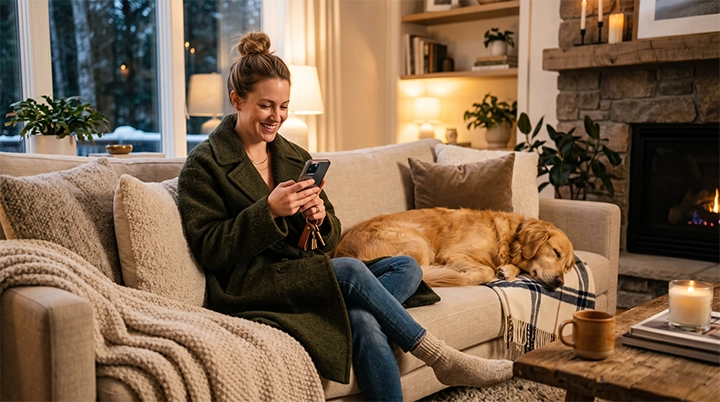
- The Coat Tease: Put on your heavy winter coat, grab your bulky work bag, and then sit right down on the living room sofa to scroll through your phone for ten minutes.
- The Doorknob Bluff: Walk to the front door confidently, turn the deadbolt, open the door just an inch, and then immediately close it and walk back to the kitchen to pour a second cup of coffee.
✨
Did You Know?
Did you know that dogs can hear high-frequency sounds up to four times further away than humans? The sharp, metallic jingle of your car keys cuts directly through background noise, making it an incredibly potent acoustic trigger for panic.
At first, your dog is going to follow you around looking incredibly confused. They will tilt their head, fully convinced you have completely lost your mind. But eventually? The real magic happens. They will hear the keys jingle, let out a relaxed, heavy sigh, and just go back to sleep on the rug. You have successfully decoupled the sound of the keys from the terrifying event of you leaving, taking a massive bite out of their dog separation anxiety.
Why Your Morning Routine is Triggering Meltdowns
Now, we need to talk about the actual energy you are projecting before you leave the house. Listen, mornings are naturally chaotic. We are rushing to find our laptops, spilling coffee on our shirts, and stressing about rush hour traffic. And guess who is absorbing every single ounce of that frantic, tightly wound energy? Your dog.
When you are zooming around the kitchen like an unpredictable tornado, you are inadvertently ramping up their nervous system. By the time you actually try to walk out the door, their dog separation anxiety is already sky-high simply because they are feeding directly off your rushed vibe.
If you are trying to wrangle a sensitive breed in a smaller space a struggle perfectly highlighted in The Calm Companion Guide: Best Dogs for Urban Apartments you already know how quickly their energy matches yours. We have to slow the entire morning down.
To prevent your morning routine from acting as a massive trigger for dog separation anxiety, implement these three simple lifestyle shifts:
- The “Silent Prep” Protocol: Pack your work bag, prepare your lunch, and lay out your clothes the night before. Eliminate the frantic morning scavenger hunt entirely so your physical movements are slow and deliberate.
- The Wardrobe Shift: If putting on your loud, clunky work shoes triggers a panic response, put them on twenty minutes before you actually leave. Wear them while you drink your coffee on the couch so the immediate association fades.
- The Tech Distraction: Use a premium treat camera to dispense rewards while you are getting dressed in the other room. Incorporating tools from The Premium Pet Tech Ecosystem: Smart Pet Gadgets That Actually Improve Care gives them a positive, engaging distraction while you do your hair.
Curing dog separation anxiety means we have to stop acting like our departure is a five-alarm fire. If you are calm, slow, and totally unbothered, your dog will eventually mirror that exact same energy. The ultimate goal is to make walking out the front door feel just as mundane as walking into the pantry.

Crafting the Ultimate High-Value Departure Ritual
Listen. If you want your dog to happily wave goodbye as you walk out the front door, you have to make your absence significantly more rewarding than your presence. I know, it stings the ego just a tiny bit! But truthfully, creating a departure ritual so incredibly delicious that they practically push you out the door is the ultimate hack for soothing dog separation anxiety.
We cannot just toss them a dry biscuit and expect them to overcome a genuine panic response. You need to pull out the big guns. I am talking about high-value, aromatic, absolutely irresistible rewards that they only get when you are leaving the house. When you reserve a specific, premium treat exclusively for your departures, you completely flip the narrative. Suddenly, your absence isn’t a tragic event—it is an exclusive VIP dining experience.
Here is the exact framework for building a departure ritual that genuinely combats dog separation anxiety:
- The Frozen Asset: Take a heavy-duty rubber chew toy and stuff it with a blend of plain Greek yogurt, xylitol-free peanut butter, and a few blueberries. Freeze it solid overnight. It takes serious mental effort to unstuff, keeping their brain exhausted and focused for up to forty-five minutes.
- The Hidden Treasure: Instead of feeding them their breakfast in a standard stainless steel bowl, scatter their premium kibble around the living room or roll it up tightly inside a snuffle mat. Let them hunt!
- The “See Ya” Swap: Hand over the frozen treasure precisely three minutes before you actually walk out the door. Do not wait until your hand is on the doorknob to deliver the goods.
✨
Did You Know?
Did you know that the physical act of licking releases potent endorphins directly into a dog’s brain? Providing a frozen yogurt toy isn’t just a distraction; it is a literal, biological mechanism for naturally lowering their heart rate.
If you are unsure what exactly constitutes a true high-value reward, diving into The Ultimate Guide to High-Value Dog Training Treats for Instant Focus will give you a fantastic baseline for what actually motivates a panicked canine brain.

But here is the catch. You cannot make a big, emotional scene when you hand over the goods. Do not stare at them with those big, guilty eyes and loudly announce how much you will miss them. Just place the frozen toy on their bed, give a quick, cheerful “be good,” and confidently walk out the door. If you act like it is just another Tuesday, their dog separation anxiety will slowly begin to fade.
Why That Squeaky Toy is Ruining Your Exit Strategy
Here’s the thing. We often leave our dogs with a massive mountain of toys to keep them entertained while we are gone. We toss squeaky plushies, bouncy tennis balls, and crinkly fabric bones onto the rug, assuming we are creating a fun, distracting playground. But if your dog is actively suffering from dog separation anxiety, you are actually creating a chaotic, highly stimulating environment that entirely prevents them from calming down.
Squeaky toys are specifically designed to mimic the high-pitched sound of prey. They trigger a dog’s natural prey drive, which inherently spikes their adrenaline and arousal levels. You do not want a dog with dog separation anxiety bouncing off the walls, frantically squeaking a plush squirrel while simultaneously stressing about your absence. You want them to chew rhythmically, lick slowly, and eventually fall into a deep, relaxed sleep.
This concept actually mirrors how we handle environments for our human toddlers. When we want our kids to focus, self-soothe, and embrace calm, we do not throw them into a room full of flashing, loud, battery-operated gadgets. We lean into structured, analog environments, much like the brilliant strategies discussed in The Digital Detox: Why Limiting Screen Time is the Ultimate Gift for Your Child’s Brain. We deliberately curate the space to encourage deep focus rather than hyper-arousal.
The exact same logic applies to managing dog separation anxiety. We must strictly eliminate the high-energy squeakers from their solo time.
Instead, swap the noisy plushies for heavy-duty, natural rubber chew toys or premium antlers that require slow, deliberate gnawing. The physical act of chewing and licking actually releases endorphins and serotonin directly into your dog’s brain. It is nature’s ultimate self-soothing mechanism. By curating their solo environment to promote calm, rhythmic chewing rather than frantic squeaking, you are actively giving them the tools to independently manage their dog separation anxiety.
Make the toys durable, make the treats exceptionally delicious, and make your actual departure the most boring part of their entire day.
Building the Safe Zone: Calming Corners That Actually Match Your Decor
Let’s be real for a minute. A lot of pet parents absolutely hate the look of a massive, industrial wire crate sitting right in the middle of their carefully curated living room. I totally get it! But giving your pet a dedicated, den-like sanctuary is absolutely non-negotiable if we want to conquer dog separation anxiety.

The harsh metallic clanking of a basic crate door closing is enough to trigger a panic response in a sensitive pup. We want their safe zone to feel like a luxurious, high-end hotel room, not a holding cell. When we design a beautiful, cozy retreat, they naturally want to spend time there on their own, which dramatically reduces dog separation anxiety.
Just like we carefully curate our homes with a Stylish Pet Feeding Station Setup for Modern Living, their resting area needs that exact same intentional design. A visually pleasing, low-stimulation corner helps their nervous system fully power down.
✨
Did You Know?
Did you know that dogs possess a natural denning instinct inherited from their wild ancestors? A low-ceiling, enclosed space naturally triggers a deep psychological sense of security, helping to immediately down-regulate an overwhelmed and highly anxious nervous system.
The Orthopedic Haven: Setting Up a Low-Stimulation Retreat
Here is the thing. You cannot just throw an old, scratchy towel into a drafty corner and expect it to magically cure dog separation anxiety. We need to build an orthopedic haven that actively supports both their joints and their fragile mental state. If the bed isn’t the most comfortable spot in the house, they are going to pace the hardwood floors looking for you instead.
To build the ultimate calming corner that actively soothes dog separation anxiety, you must layer these specific environmental elements:
- The Acoustic Buffer: Drape a heavy, breathable linen cover over their crate or bed alcove. This muffles the terrifying sounds of the garbage truck outside and creates a dark, womb-like environment that encourages deep sleep.
- The Scent Anchor: Tuck a deeply unwashed workout shirt—yes, the smelly one—under their premium mattress. Your natural scent acts as a powerful grounding mechanism when dog separation anxiety starts creeping into their brain.
- The White Noise Shield: Plug in a minimalist sound machine right next to their bed. A steady, rhythmic hum completely blocks out the triggering sound of your car engine pulling out of the driveway.
Let’s talk about air quality and cleanliness in this space. Dogs pant heavily when they are stressed. Keeping their sanctuary pristine is vital. You can easily integrate a quiet air purifier nearby, applying the exact principles from The Allergy-Friendly Sanctuary: Managing Pet Dander with Premium Air Care and Intentional Cleaning. Clean, cool air genuinely helps regulate their breathing.
You must heavily reward your dog for simply existing in this new space. Do not only send them to their haven when you are rushing out the door. Toss a high-value treat onto their orthopedic pad while you are just sitting on the sofa watching television. This builds a massive positive association.
We want them to view this corner as their ultimate retreat from the world. If they retreat there voluntarily during a thunderstorm, or when the kids are being a bit too loud, you are winning! That independent choice is the exact mindset shift required to defeat dog separation anxiety for good.
But here is the catch. This space must be completely off-limits to humans. Do not reach in to pull them out for a cuddle. Do not let the toddler crawl inside to play with their toys. Absolute boundaries are required. Respecting their space builds profound trust, and trust is the absolute antidote to dog separation anxiety.
Take a hard look at your current living room setup. Is their bed shoved in a high-traffic hallway? Move it immediately. Find a quiet, dim corner and transform it. The moment they realize they have a luxurious, safe fortress of their own, that gripping dog separation anxiety loses a massive amount of its power. Exactly.
The “Boring Hello”: Why Ignoring Your Dog is the Best Form of Love
Listen. You just walked through the front door after a long, exhausting day at work, and your dog is acting like you just returned from a ten-year sea voyage. They are jumping, whining, vibrating at a totally unnatural frequency, and aggressively bringing you every single toy they own. It takes everything in your power not to drop your bags, fall to your knees, and throw a massive reunion party right there in the foyer. We all want to be the hero returning home!
But here is the catch. If you want to effectively cure dog separation anxiety, you have to master the “Boring Hello.”
When you make a huge, emotional scene the second you return, you inadvertently validate all of their previous panic. You are essentially confirming their worst fears: Yes, my absence was a terrifying ordeal, and thank goodness we both survived! This massive contrast between you being gone (which is boring and scary) and you returning (a literal festival of joy) makes dog separation anxiety so much worse. You are turning your arrival into a high-octane event.
Instead, try implementing this strict return routine:
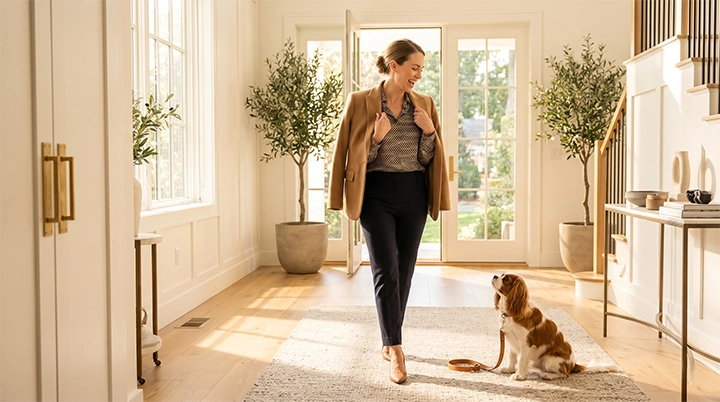
- The Ghost Walk: Walk in, put your keys down, and take off your coat without making any eye contact. Act like they are entirely invisible.
- The Five-Minute Rule: Go about your business—check the mail, wash your hands, pour a glass of water—for at least five minutes while completely ignoring their frantic wiggles and high-pitched squeaks.
- The Calm Greeting: Once they finally let out a heavy sigh and sit down quietly on the rug, then you calmly reach down and offer a gentle, low-energy pat.
If you consistently reward only calm behavior, their dog separation anxiety will plummet. They learn that frantic, chaotic energy gets them absolutely zero attention. Whether you are dealing with a tiny terrier or deciding between a Bernedoodle vs Goldendoodle Which Fluffy Crossbreed Fits Your Urban Lifestyle, this boundary applies universally across all breeds.
✨
Did You Know?
Did you know that dogs heavily mirror the emotional state of their primary caregiver? When you maintain a low heart rate and calm demeanor upon returning home, your dog biologically syncs to your relaxed energy within just a few minutes.
Zara’s Arsenal: The Best Premium Tools & Gear for Canine Independence
Truthfully, you cannot battle dog separation anxiety purely with good intentions and ignoring your dog in the hallway. You need a rock-solid, highly functional toolkit. But as a modern pet parent, you also refuse to fill your beautiful, carefully curated home with neon plastic junk that clashes with your aesthetic. Hard pass. We want high-end, premium gear that actually looks gorgeous while doing the heavy behavioral lifting.
Here are the absolute must-have items to conquer dog separation anxiety once and for all:
- The Minimalist Treat Camera: Forget the clunky, robotic cameras of the past that look like security monitors. Invest in a sleek, wood-grain treat dispenser that blends right into your bookshelf. You can toss them a high-value reward from your phone while you are at the office, reinforcing positive solo time without triggering their dog separation anxiety by actually being in the room. For a deeper dive into smart solutions, check out The Premium Pet Tech Ecosystem: Smart Pet Gadgets That Actually Improve Care.
- The Orthopedic Memory Foam Cave: A highly anxious dog needs to feel physically held and secure. A premium, neutral-toned cave bed provides gentle, all-around pressure that naturally lowers their heart rate. It acts almost like a weighted blanket for your dog, offering a cozy retreat when they feel overwhelmed.
- Heavy-Duty Natural Rubber Foraging Toys: We already know we need to skip the loud, squeaky plushies. You need durable, geometric rubber toys that can be stuffed with organic peanut butter, plain yogurt, and frozen solid. This forces them into a state of slow, rhythmic licking, which is nature’s absolute best defense against dog separation anxiety.
- Aesthetic Acoustic Sound Machines: You do not need an ugly plastic fan running all day. Grab a small, aesthetically pleasing white noise machine and place it near their sanctuary. The continuous, low-frequency hum drowns out the anxiety-inducing sounds of the mail carrier or the neighbor’s car door slamming.
Building this premium toolkit isn’t just about making your living room look magazine-ready; it is about providing genuine, functional relief for your pet. When you pair a low-stimulation orthopedic sanctuary with a highly engaging, frozen foraging puzzle, their dog separation anxiety doesn’t stand a chance. You are setting them up for massive success, creating an environment where independence is not only possible, but actually deeply enjoyable.
Questions Pet Parents Ask (FAQs)
Before we wrap up this deep dive, let’s address the burning questions keeping you awake at night. When you are deep in the trenches of behavioral training, it is incredibly easy to second-guess yourself. Here are the most common questions modern pet parents ask when navigating this specific hurdle.
What is the fastest way to cure dog separation anxiety?
There is no overnight fix for dog separation anxiety. The fastest approach involves establishing a strict, predictable daily routine, heavily utilizing high-value frozen chew toys during your departures, and practicing systematic desensitization. Consistency and patience yield the fastest, most permanent behavioral changes.
Will getting another dog help soothe my dog’s separation anxiety?
Getting a second dog rarely cures dog separation anxiety. In most cases, your anxious dog is specifically attached to you, not just lonely for canine company. You actually risk the new dog picking up those exact same panic behaviors through observation.
Should I leave the television on when I leave the house?
Leaving a television or radio on can absolutely help soothe dog separation anxiety. It provides a constant, low-level acoustic buffer that drowns out stressful external noises, like garbage trucks or slamming car doors. Stick to calming music or soft, conversational podcasts.
Are calming treats effective for severe dog separation anxiety?
Premium calming treats containing natural ingredients like chamomile or L-theanine can help take the edge off mild stress. However, they are not a standalone cure for severe dog separation anxiety. They work best when paired with a rock-solid desensitization training protocol.
Is it cruel to ignore my dog when I come home?
It is absolutely not cruel to ignore an overly excited dog. Mastering the boring hello is actually the kindest thing you can do for dog separation anxiety. It teaches them that your return is a calm, normal event, drastically reducing their daily emotional spikes.
Can crate training worsen my dog’s separation anxiety?
If a crate is used as a rushed holding cell, it will absolutely trigger panic. However, if you intentionally design an orthopedic, low-stimulation haven, crate training becomes a powerful tool to naturally reduce dog separation anxiety by providing a secure, den-like sanctuary.
How do I know if it is dog separation anxiety or just boredom?
Bored dogs seek fun through destruction, like shredding junk mail or chewing shoes, and they usually do it hours after you leave. Dogs with true dog separation anxiety typically panic within the first twenty minutes and focus their destruction heavily around exit points.
Do I need a professional trainer for dog separation anxiety?
While many pet parents can manage mild cases using strict routines and high-value treats, severe dog separation anxiety might require an expert. If your dog is actively injuring themselves, breaking teeth on crates, or refusing to eat entirely, it is time to consult a certified specialist.
✨
Did You Know?
Did you know that true canine independence is actually built on a foundation of secure attachment? When dogs feel absolutely confident that their needs will consistently be met, they become significantly more comfortable spending prolonged periods of time entirely alone.
Conclusion: Reclaiming Your Peace (and Your Bathroom Space)
Listen, dealing with a panicked pup is incredibly draining. It tests your patience, ruins your favorite rugs, and makes leaving the house feel like a massive guilt trip. But here is the good news: you are entirely capable of turning this around. By neutralizing your chaotic morning routine, creating a gorgeous low-stimulation sanctuary, and mastering the boring hello, you are actively giving your dog the ultimate gift of confidence.
The fact that you are actively researching how to help your dog feel safer proves that you are an incredible pet parent. Managing dog separation anxiety is an emotional rollercoaster. Some days you will nail the fake-out departure perfectly, and other days you will accidentally drop your keys and trigger a minor meltdown. Give yourself some grace. You are fundamentally changing how your dog perceives the world, and that takes time.
Keep those frozen peanut butter toys heavily stocked, maintain your firm boundaries, and remember to breathe. Soon enough, you will be able to take a shower without an audience.
If you want to dive even deeper into creating a perfectly balanced home, you will absolutely love our premium digital guide, The First 48 Hours: A Complete Puppy Survival Blueprint. It is packed with actionable, step-by-step routines to build an unshakable foundation of calm from day one. You’ve got this, and your dog has got this!