Digital Products Available Globally | Physical Products currently Shipping to USA, Canada, UK, EU, AU & NZ. ✨ Introductory SALE across all products!


How to Stop Dog Barking and Bring Calm Back to Your Home
The rhythm of a peaceful home is delicate. When you welcome a dog into your family, you expect moments of joyous play and quiet companionship. You likely did not anticipate the sudden, jarring noise that shatters your calm when a delivery truck simply drives down the street. Learning how to stop dog barking becomes an immediate priority for exhausted pet parents seeking to restore balance to their household.
It is completely natural to feel overwhelmed when your dog reacts to every sound. The continuous noise can elevate your stress levels and create tension within the home. However, finding effective ways regarding how to stop dog barking requires patience and a deep understanding of canine communication. Your dog is not trying to annoy you intentionally.
Quick Guide: How to Stop Dog Barking
- Block visual triggers with window film to reduce alarm barking.
- Acknowledge the alert, wait for a brief pause, and reward the silence.
- Redirect their frantic energy to a safe mat using positive reinforcement.
- Provide daily mental enrichment with puzzle toys to naturally calm your dog.
Table of Contents
To successfully manage this behavior, we must shift our perspective from frustration to empathy. Dogs use their voices to communicate everything from joy to profound anxiety. Mastering how to stop dog barking starts with recognizing that the noise is merely a symptom of an underlying emotional state.
We will explore fear free, holistic methods designed to calm your dog and reclaim your quiet space. By addressing the root cause of the noise, you build a foundation of trust with your canine companion. True success in how to stop dog barking means creating an environment where your dog feels completely secure and no longer feels the need to sound the alarm.
Decoding the Noise Understanding Why Dogs Bark
Before we can implement solutions, we must become fluent in the language of our pets. Every vocalization serves a distinct purpose in their world. If you want to know how to stop dog barking, you first need to understand what your dog is trying to achieve with that specific sound.
Dogs do not possess the ability to tell us they feel anxious or bored. Instead, they rely on body language and vocal cues to express their internal state. Recognizing these subtle differences is the vital first step in how to stop dog barking effectively.
When you listen closely, you will begin to notice variations in pitch, speed, and duration. A sharp, rapid fire sound means something entirely different than a slow, drawn out howl. By identifying these patterns, learning how to stop dog barking becomes a targeted approach rather than a frustrating guessing game.
- The Alert: A sharp, intense sequence designed to warn the pack of a perceived intrusion.
- The Demand: A repetitive, persistent sound aimed directly at you to request food or attention.
- The Anxious Relief: A high pitched, frantic noise that occurs when a dog is left alone or feels trapped.
Understanding these categories prevents you from applying the wrong solution to the right problem. You cannot treat an anxious reaction the same way you treat a demanding behavior. The secret to how to stop dog barking lies in matching your training response directly to your dog’s emotional need.
Alarm Excitement and Fear Based Vocalizations
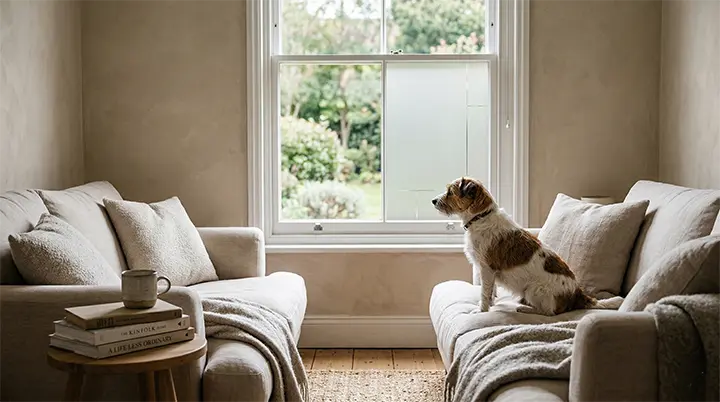
Alarm barking is perhaps the most common trigger for modern pet parents living in busy neighborhoods. Your dog perceives the postal worker as a direct threat to the family sanctuary. They feel it is their absolute duty to alert you to this danger. To them, the fact that the postal worker walks away after dropping a package means their strategy was highly successful.
Excitement vocalizations happen when your dog simply cannot contain their joy. This often occurs when you return home or when it is time for a walk. While this stems from a positive emotion, it can still disrupt the calm of your home. Finding out how to stop dog barking in these joyful moments requires teaching your dog alternative ways to express their happiness.
Fear based reactions are entirely different and require a much gentler approach. A frightened dog uses noise to create distance between themselves and the scary stimulus. This is often seen in rescue dogs or puppies navigating their fear periods. If you are researching how to stop dog barking out of fear, you must prioritize building confidence above all else.
For a deeper dive into this specific developmental stage, you can explore our guide to understanding puppy fear periods to better support your growing companion.
When dealing with a fearful dog, the environment plays a massive role in their recovery. You must assess what visual or auditory triggers are pushing them past their threshold. By managing these triggers effectively, you pave the way for successful fear free training.
The Common Discipline Mistakes to Avoid

When the noise becomes too much, it is easy to react out of sheer frustration. However, reactionary discipline often sabotages long term behavioral progress. Many traditional methods actually increase anxiety and make the problem significantly worse. If you truly want to master how to stop dog barking, you must first unlearn these outdated habits.
We often default to human communication styles when trying to correct our dogs. We use our voices to express displeasure, expecting the dog to understand our words. Unfortunately, canine psychology does not interpret yelling the way a human child might. This fundamental disconnect is why so many pet parents struggle with how to stop dog barking.
Our goal is to build an intentional, calm environment for our families. Relying on harsh corrections disrupts that peace and damages the bond with our pets. Let us examine the most frequent missteps so you can navigate your training journey with clarity and compassion.
Cultivating this patience is a cornerstone of our philosophy, which you can read more about in our article on building trust with rescue dogs.
Why Yelling and Punishment Make Barking Worse
Imagine your dog is frantically warning you about a squirrel outside the window. In your frustration, you raise your voice and shout for them to be quiet. To your dog, you are not issuing a command for silence. They believe you are joining in and barking right alongside them.
This well meaning intervention validates their belief that the squirrel is indeed a major event. By raising your energy, you inadvertently escalate their excitement or fear. The most critical rule in how to stop dog barking is that you must remain the calmest presence in the room.
Punishment creates a secondary layer of stress for an already overstimulated dog. If a dog is barking out of anxiety and receives a harsh correction, their fear multiplies. They now associate the scary trigger with your unpredictable anger. This is the exact opposite of how to stop dog barking using holistic, trust building methods.
Instead of raising your voice, focus on lowering your physical energy. Take a deep breath, speak in a soft tone, and calmly assess the situation. Your dog looks to you for behavioral cues, so model the exact tranquility you wish to see in them.
The Hidden Dangers of Bark Collars
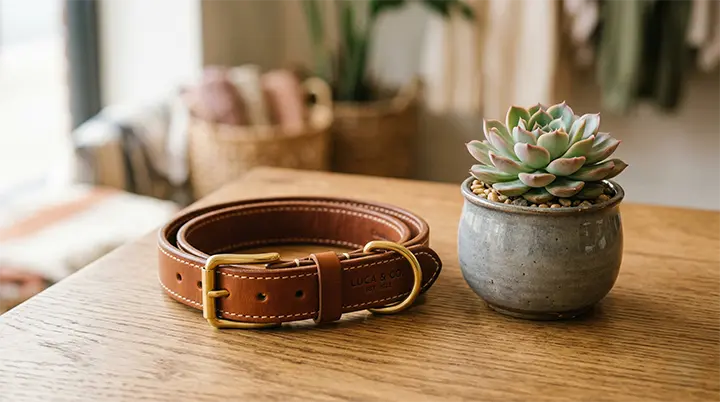
In a desperate search for a quick fix, many families turn to aversive tools like shock, vibration, or citronella collars. These devices promise immediate silence by punishing the dog every time they vocalize. While they might suppress the noise temporarily, they never address the emotional root cause.
Using aversive tools is a dangerous shortcut that violates the principles of fear free caregiving. A dog wearing a shock collar may stop vocalizing, but their internal anxiety skyrockets. They become trapped in a state of suppressed panic, which often manifests later as severe reactivity or aggression. Anyone teaching you how to stop dog barking should explicitly warn against these devices.
Citronella collars are particularly cruel to a dog’s highly sensitive olfactory system. The scent lingers long after the trigger has passed, continuing to punish the dog for minutes or even hours. This creates deep confusion and breaks the fundamental trust between dog and owner.
For healthier alternatives, we highly recommend reviewing our comprehensive list of positive reinforcement training tools that respect your dog’s well being.
- Symptom Suppression: They only hide the noise without fixing the underlying emotional distress.
- Increased Anxiety: They introduce physical discomfort or pain, escalating the dog’s fear.
- Misplaced Associations: The dog may associate the painful correction with a child or another pet walking by, rather than their own vocalization.
True behavioral change takes time, consistency, and profound patience. There are no ethical shortcuts when it comes to guiding a sentient creature through their fears. By rejecting aversive tools, you commit to a compassionate path that ultimately yields a much happier, quieter companion.

Before you even begin active training, you must set your dog up for success by controlling their surroundings. You cannot expect a dog to learn a new behavior if they are constantly flooded by stress hormones. Figuring out how to stop dog barking is practically impossible when your dog is actively reacting to a trigger outside. Their brain is in a state of high alert, making it entirely unreceptive to your commands.
Environmental management is the unsung hero of behavioral modification. It involves proactively removing the stimuli that cause your dog to react in the first place. By lowering their baseline stress levels, you create the mental space necessary for actual learning to occur. If you are struggling with how to stop dog barking, your very first step is to become a strict manager of your home environment.
Think of this phase as a mandatory reset for your dog’s nervous system. Every time your dog successfully barks at a trigger and the trigger leaves, the behavior is deeply reinforced. To successfully navigate how to stop dog barking, we must break this cycle of self reward immediately.
Step 1 Managing the Environment to Reduce Triggers
For many dogs, the front window acts as a television screen broadcasting endless threats. A neighbor walking a stroller or a stray cat on the fence can easily send a territorial dog into a frenzy. When considering how to stop dog barking, blocking visual access to these high traffic areas is a remarkably simple yet highly effective solution.
You do not need to live in the dark to achieve this. Applying a decorative, frosted window film to the lower half of your glass doors and windows works wonders. This allows natural sunlight to flood your home while completely obscuring the visual triggers that upset your dog. Many pet parents find that this one environmental tweak is the ultimate secret to how to stop dog barking at the front door.
Auditory triggers also play a massive role in canine reactivity. Dogs possess incredibly sensitive hearing, picking up on distant sirens or slamming car doors long before we do. When researching how to stop dog barking, you must address what your dog is hearing as well as what they are seeing.
- Implement White Noise: Keep a fan running, play soft classical music, or use a dedicated white noise machine near the front of the house to muffle exterior sounds.
- Establish a Quiet Retreat: Create a cozy, darkened space in a low traffic room where your dog can retreat when they feel overwhelmed by the environment.
- Manage Patrol Routes: Block access to rooms that face busy streets during the times of day when foot traffic is at its absolute highest.
Creating these sanctuary spaces is deeply aligned with our holistic approach to pet care. For more detailed inspiration on structuring your living areas, you can explore our guide on designing a pet friendly home. When your environment promotes calm, teaching your dog how to stop dog barking becomes an infinitely smoother process.

Step 2 and 3 The Core Fear Free Training Methods
Once you have managed the environment, your dog’s nervous system will begin to regulate. Only then can you introduce active training protocols designed to change their emotional response to triggers. Mastering how to stop dog barking requires consistent, daily practice using methods that build confidence and trust.
We rely exclusively on positive reinforcement because it communicates clearly what we want the dog to do, rather than just punishing what we dislike. If we simply punish the noise, we leave a behavioral void. True success in how to stop dog barking happens when we teach the dog an incompatible, highly rewarding alternative behavior.
This shift in methodology transforms the relationship between you and your dog. You transition from being an angry disciplinarian to a trusted behavioral guide. If you want to know how to stop dog barking permanently, you must be willing to put in the repetition required to build these new neural pathways.
Step 2 Mastering the Quiet Cue with Positive Reinforcement
It sounds deeply counterintuitive, but one of the best ways to teach silence is to acknowledge the bark. When your dog alerts you to a noise, they are fulfilling what they believe is their biological duty. Acknowledging their effort often diffuses their need to continue. If you are learning how to stop dog barking, the quiet cue will become your most valuable tool.
Start practicing this cue in a completely calm environment with zero distractions. You cannot teach a new language during a moment of panic. The foundation of how to stop dog barking relies on capturing brief moments of silence and rewarding them heavily.
According to behavioral insights from the Cummings School of Veterinary Medicine at Tufts University, rewarding a dog immediately after they cease a negative behavior creates a strong association between calm compliance and positive outcomes.
Here is the exact step by step breakdown of the quiet cue:
- Wait for the Pause: When your dog barks, calmly walk over to them. Do not shout or pull their collar. Wait for them to take a breath and pause naturally.
- Mark the Silence: The absolute second they stop making noise, say the word “Quiet” in a calm, upbeat tone.
- Deliver the Reward: Immediately feed them a high value, incredibly fragrant treat. The treat must be more interesting than whatever they were barking at.
- Extend the Duration: As you practice, slowly require your dog to remain quiet for three seconds, then five seconds, before delivering the reward.
Consistency is the heartbeat of this method. Everyone in the household must use the exact same word and the exact same tone. When implementing strategies for how to stop dog barking, mixed signals will completely derail your progress. With enough repetition, your dog will hear the word “Quiet” and immediately stop vocalizing, anticipating their reward.

Step 3 Redirection and the Go to Your Spot Command
Sometimes, a dog is too over threshold to simply stop barking and stand still. Their adrenaline is pumping, and they need a physical outlet for that energy. This is where the power of behavioral redirection comes in. If you are struggling with how to stop dog barking, teaching your dog to move their body to a specific location is incredibly effective.
The spot command gives your dog a structured job to do. A dog cannot frantically run laps around the front door if they are actively holding a down stay on their designated mat. Mastering how to stop dog barking often boils down to giving your dog an alternative, highly rewarded task that demands their full attention.
Choose a comfortable mat or a specialized pet bed located away from the primary trigger zones. This spot must become the most wonderful place in the house for your dog. If you are researching how to stop dog barking, understand that this mat should be raining high value treats whenever your dog is calmly resting on it.
For comprehensive steps on building value in specific resting areas, you can review our positive crate training strategies to help establish these foundational safe zones within your home.
When the doorbell rings and the barking begins, calmly say your dog’s name to break their focus. The moment they look at you, confidently issue your spot command. Guide them to their mat, ask for a down, and reward them generously for making the right choice.
This completely rewires their emotional response to the trigger. Over time, the sound of the doorbell will no longer signify a threat that requires an alarm. Instead, it becomes the cue to run to their mat and wait for a delicious reward. Understanding how to stop dog barking is truly about changing the underlying emotional association from fear or hyper arousal into calm, focused anticipation.
By managing the environment to prevent rehearsals, capturing silence with the quiet cue, and redirecting physical energy to a designated spot, you are building a resilient, peaceful companion. These holistic methods require dedicated effort, but they are the absolute most reliable ways to figure out how to stop dog barking without ever compromising your dog’s trust.

While managing the environment and teaching alternative behaviors are powerful tools, they are only part of the holistic equation. True behavioral transformation requires us to look at the entire lifestyle of our canine companions. Mastering how to stop dog barking means shifting our focus from the moment the noise happens to the many hours leading up to it.
A dog that is deeply fulfilled on a physical and psychological level has very little reason to sound the alarm constantly. Many pet parents focus entirely on silencing the noise in the moment. However, figuring out how to stop dog barking permanently requires addressing the baseline stress and boredom that trigger the vocalizations in the first place.
When a dog’s cup is full of positive experiences, their tolerance for minor disruptions increases dramatically. A delivery truck becomes just another passing vehicle rather than a major territorial threat. Understanding how to stop dog barking is ultimately about building a lifestyle that supports a calm, regulated nervous system.
We must introduce structured desensitization for the things that frighten them and rich enrichment to burn off excess mental energy. These two pillars work together to create a deeply balanced home. If you want to know how to stop dog barking, you must become an architect of your dog’s daily routine.
Step 4 and 5 Routine Enrichment and Desensitization
The concepts of routine and desensitization might sound clinical, but they are deeply rooted in compassionate caregiving. Dogs thrive on predictability because it removes the anxiety of the unknown. When a dog knows exactly what to expect from their day, their overall arousal level drops significantly.
This baseline of calm is absolutely essential for any behavioral modification. You cannot teach a dog how to stop dog barking if they are living in a constant state of hyper vigilance. A predictable routine provides the safety net they need to process new, potentially frightening information without panicking.
Desensitization pairs beautifully with this predictable routine. It is the careful, gradual process of introducing a scary trigger at a level so low that the dog does not feel the need to react. Anyone researching how to stop dog barking must understand that exposing a dog to their fears all at once will only make the vocalizations worse.
By controlling the intensity of the trigger, we can slowly change the emotional response from fear to neutrality. Learning how to stop dog barking using desensitization is a slow, deliberate process that requires profound empathy for your dog’s lived experience.
Step 4 Desensitization for Fearful Reactors
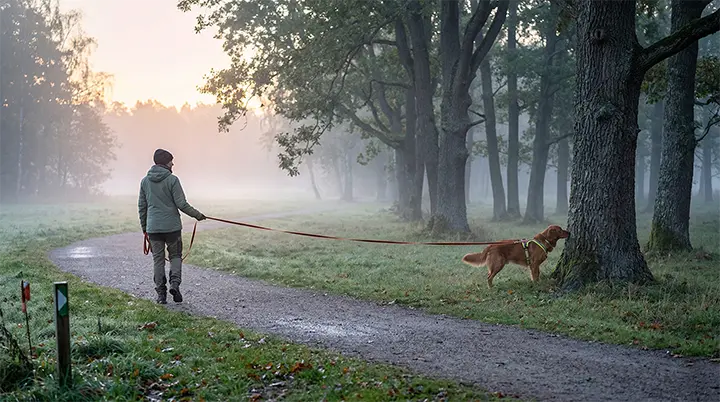
Fear based reactivity is one of the most challenging hurdles for modern pet parents. When a dog barks out of sheer terror, their brain is in survival mode. They are using their voice to create distance between themselves and the perceived threat, whether that is a vacuum cleaner, a stranger, or another dog.
The journey of how to stop dog barking in fearful dogs relies heavily on counter conditioning. This means pairing the presence of the scary trigger with something incredibly wonderful, usually a high value treat. The goal is to change the underlying emotion so the dog eventually looks forward to the trigger appearing.
This is the exact same psychological principle we apply when preparing dogs for medical handling. For instance, the techniques used to create calm during fear free vet visits are identical to the desensitization protocols used for stopping alarm barking at home. It is all about shifting the emotional narrative.
To succeed, you must find your dog’s threshold. This is the exact distance at which they notice the trigger but are not yet barking. Your success in how to stop dog barking depends entirely on keeping your dog below this critical threshold during training sessions.
- Identify the Trigger Distance: Find the exact footage where your dog can see the trigger but remains calm enough to take a treat.
- Mark and Reward: The moment the trigger appears in the distance, immediately feed high value treats continuously.
- Remove the Reward: The absolute second the trigger disappears from view, the treats must stop entirely.
- Gradually Decrease Distance: Over weeks, slowly move a few inches closer to the trigger, always ensuring the dog remains under threshold.
If your dog begins to bark, you have moved too close, too fast. You must retreat to a safe distance and try again. When you ask a professional how to stop dog barking, they will emphasize that slow and steady is the only way to permanently rewire a fearful brain. Patience in this phase will yield lifelong results.
Step 5 Physical and Mental Stimulation

A well worn adage in the dog training world is that a tired dog is a quiet dog. However, modern pet parents often misinterpret this as a need for endless physical exhaustion. Running your dog for miles will certainly build an incredible canine athlete, but it will not necessarily calm their mind.
If you are trying to figure out how to stop dog barking, you must prioritize cognitive fatigue just as highly as physical exercise. Dogs were bred for thousands of years to perform complex jobs alongside humans. When we place them in a quiet suburban home with no tasks to complete, they often invent their own jobs, like aggressively guarding the front window.
Providing appropriate outlets for this energy is non negotiable. A holistic approach to how to stop dog barking involves engaging your dog’s natural foraging and problem solving instincts. Sniffing, licking, and chewing are naturally self soothing behaviors that release endorphins in a dog’s brain.
Just as we emphasize the critical importance of sensory play and tactile learning for child brain development, our dogs require similar tactile enrichment to thrive. Engaging their senses prevents the boredom that so often leads to nuisance vocalizations.
By incorporating structured mental tasks into their daily rhythm, you drastically reduce their need to seek out external stimulation.
- Ditch the Food Bowl: Serve meals exclusively in puzzle feeders, frozen Kongs, or snuffle mats to make your dog work for their nutrition.
- Implement Sniffaris: Take walks on a long line where the only goal is allowing your dog to stop and smell every blade of grass, rather than marching strictly for distance.
- Practice Scent Work: Hide high value treats around the living room and teach your dog to use their nose to find them, heavily rewarding their success.
- Provide Safe Chews: Offer high quality, long lasting natural chews, as the repetitive jaw movement naturally lowers a dog’s heart rate and induces calm.
If you need creative, budget friendly ideas to implement these strategies today, explore our step by step guide on creating DIY enrichment toys using items you already have at home.
When a dog spends forty five minutes extracting their breakfast from a complex puzzle, they are far more likely to sleep the rest of the morning. The ultimate goal of how to stop dog barking is to ensure your dog is simply too happily exhausted to care about the mail carrier. By combining environmental management, fear free training, and profound daily enrichment, you provide your dog with the blueprint for a truly peaceful life.

When to Seek Professional Behavioral Support
Even with the most dedicated environmental management and enrichment routines, some behavioral challenges run deeply into a dog’s psychology. Learning how to stop dog barking is rarely a perfectly linear journey, and experiencing setbacks is a completely normal part of the process. However, if your dog is exhibiting signs of severe distress, it is time to call in a certified expert. You do not have to carry the burden of behavioral modification entirely on your own shoulders.
A professional can offer an objective, highly experienced perspective on your home dynamics and training timing. They possess the clinical experience to pinpoint exactly where your physical communication might be subtly breaking down. When you are exhausted and frantically searching for a quiet solution, a certified behaviorist provides a clear, actionable roadmap. They ensure that your fear free methods are being applied correctly, consistently, and effectively.
Seeking help is a profound act of love and responsibility toward your canine companion. It acknowledges that their emotional needs are complex and deserving of specialized care. By bringing in a trusted guide, you accelerate the healing process and learn how to stop dog barking with confidence.
Identifying Severe Anxiety and Reactivity
There is a distinct difference between a dog who barks briefly at the mail carrier and a dog who cannot settle for hours after the truck leaves. If your dog causes physical harm to themselves, destroys property in a panic, or shows signs of aggression when triggered, routine training is simply not enough. In these severe cases, discovering the right intervention requires veterinary assistance alongside dedicated behavioral therapy.
Your veterinarian might suggest temporary anti anxiety medication to help lower your dog’s baseline panic threshold. Using medication is never a failure on your part as a dedicated caregiver. It is a deeply compassionate tool that allows a terrified dog to actually absorb the positive training you are providing. If a dog is locked in a constant state of fight or flight, no amount of treats will teach them how to stop dog barking.
You must carefully observe the physical language accompanying the vocalizations to gauge the severity of their panic. Watch for dilated pupils, excessive panting, trembling, or an inability to take high value food. When these extreme symptoms are present, attempting to figure out this behavioral challenge on your own can accidentally worsen their trauma.
- Your dog’s vocalizations are accompanied by lunging, snapping, or aggressively biting at the air.
- The noise persists for dangerously long periods even after the obvious trigger has been completely removed from sight.
- You feel entirely overwhelmed, and your own mental health is actively suffering while trying to learn how to stop dog barking.
Choosing the Right Fear Free Professional
Not all dog trainers operate under the same ethical guidelines or behavioral philosophies. The pet training industry is largely unregulated, meaning anyone can unfortunately label themselves an expert. When you need help with excessive vocalization, you must be incredibly selective about who you allow into your dog’s life.
Always seek out professionals who carry specific certifications in positive reinforcement and fear free methodologies. Look for credentials from respected organizations that strictly prohibit the use of shock collars, prong collars, or physical intimidation. A true professional will teach you how to stop dog barking by building up your dog’s confidence, not by tearing it down.
During your initial consultation, ask direct questions about what happens when the dog makes a mistake during a session. If the trainer mentions words like dominance, alpha, or physical corrections, walk away immediately. Your journey to master this process must remain rooted in empathy, trust, and science based behavioral modification.

Essential Tools to Support Your Training Journey
As you permanently transition away from aversive methods, you must arm yourself with holistic, supportive equipment. The broader pet industry is flooded with products promising miraculous quick fixes, but very few align with our intentional, slow living ethos. To truly succeed in how to stop dog barking, you need tools that actively promote calm and deeply engage your dog’s natural instincts.
We have carefully curated a selection of premium products designed specifically to lower canine arousal levels naturally. These are not tools of physical suppression, but rather beautiful instruments of enrichment and safety. When you seamlessly integrate these items into your daily routine, discovering true quiet becomes an intuitive, highly supportive process.
Investing in high quality enrichment gear pays massive dividends in your dog’s overall behavioral health. Instead of spending money on punishing, painful collars, you are investing in their long term cognitive development. This proactive, gentle approach is the ultimate secret to figuring out how to stop dog barking while building an unbreakable bond.
Calming Aids and Sensory Support
For dogs triggered heavily by environmental noise, utilizing sensory support is an absolute necessity for a peaceful home. Sound buffering snoods are incredibly helpful for dogs who react violently to fireworks, thunderstorms, or loud city streets. These soft, fabric wraps gently compress the ear canals, muffling the sharp noises that trigger sudden alarm reactions. Using a high quality snood is a brilliant, immediate strategy when you are learning how to stop dog barking during acute sound events.
Pheromone diffusers are another invisible yet profoundly powerful tool in your calming arsenal. These subtle plug in devices release synthetic versions of the comforting pheromones a mother dog provides her nursing puppies. Placing a diffuser near your dog’s primary safe spot can significantly lower their ambient stress over time. When their environment literally smells like safety, teaching them to settle becomes significantly easier.
- Adaptive Pheromone Collars: Perfect for anxious dogs who need constant, portable reassurance while navigating different rooms in the home.
- Acoustic Buffering Snoods: Essential garments for immediately deadening the sharp, sudden noises that trigger intense fear reactions.
- Weighted Calming Vests: These premium garments provide gentle, continuous pressure that acts like a reassuring hug to deeply soothe the nervous system.
These sensory tools do not magically train the dog for you, but they create the necessary physical calm required for learning. They help turn a chaotic, terrifying environment into a highly manageable one. If you truly want to understand how to stop dog barking, you must use every sensory advantage available to help your dog relax.

Enrichment Toys for Mental Fatigue
As we discussed extensively in the previous steps, a bored dog is almost always a loud dog. To truly implement lifelong strategies on how to stop dog barking, you absolutely need a robust rotation of interactive toys. The LickiMat is arguably one of the most effective, budget friendly tools on the modern market. Smearing plain yogurt, peanut butter, or wet food onto a textured mat forces the dog to engage in repetitive licking, which directly releases powerful calming endorphins.
When the doorbell rings and you need to know how to redirect their attention immediately, pulling a frozen LickiMat from the freezer is a perfect tool. It immediately shifts their intense focus from the external threat to a high value, self soothing task. The sheer duration of the licking process allows their adrenaline to recede naturally and peacefully.
Snuffle mats serve a very similar psychological purpose but tap heavily into a dog’s profound olfactory capabilities. These layered fabric puzzles require your dog to use their nose to actively hunt for hidden dry kibble. Ten minutes of intensive sniffing on a premium snuffle mat is physically equivalent to a long, brisk walk. If your primary goal is to master how to stop dog barking, tiring their brain through dedicated scent work is incredibly effective.
Finally, durable, hollow chew toys like the classic Kong are strictly non negotiable for modern, intentional pet parents. Stuffing a heavy rubber chew toy with high value food and freezing it provides hours of quiet, highly focused work. A dog simply cannot vocalize while they are actively chewing and problem solving. When you provide appropriate, beautiful outlets for their energy, the mystery of how to stop dog barking is solved through natural, deeply fulfilling behavior.
Questions Pet Parents Ask About Canine Vocalization (FAQs)
How long does it take to train a dog to stop barking?
It typically takes three to six weeks of consistent fear free training to see a significant reduction in alarm vocalizations. However, severe anxiety based reactions may require several months of gradual desensitization and environmental management to fully resolve the behavior.
Pet parents often expect overnight results, but changing an emotional response takes significant time. Every dog has a unique learning curve influenced by their breed, age, and past experiences. Consistency is the most crucial factor in this timeline. When you commit to understanding how to stop dog barking, you are committing to a long term lifestyle shift rather than a quick weekend project.
Should I ignore my dog when they bark at me?
Yes, if your dog is demanding attention, you should completely ignore them by turning your back and avoiding eye contact. Acknowledging a demand bark, even to quietly scold them, reinforces the behavior because they successfully captured your attention.
Demand barking is incredibly frustrating because it feels very personal. Your dog might stare directly at you and vocalize because they want their dinner early or want a toy thrown. If you look at them, speak to them, or gently push them away, they win. They wanted your engagement, and you provided it. The fastest way to extinguish this specific noise is absolute silence from you. Once they offer a quiet sit, immediately reward them.
Does neutering or spaying stop a dog from barking?
Altering a dog rarely stops them from vocalizing because barking is primarily a behavioral and environmental response, not a hormone driven action. While neutering may reduce roaming and some territorial marking, it will not replace the need for active training.
Many pet parents hope that a surgical procedure will act as a behavioral reset button. While altering is an important part of responsible pet guardianship and health management, it is not a substitute for holistic behavioral modification. If you are actively struggling with how to stop dog barking, you must still put in the daily work of environmental management and positive reinforcement regardless of your dog’s altered status.
Why does my dog bark at nothing?
Dogs almost never bark at nothing. Because their hearing and sense of smell are exponentially stronger than ours, they are usually reacting to distant sirens, wildlife, or subtle vibrations that human senses simply cannot detect.
When you find yourself asking how to stop dog barking when there appears to be nothing there, you must trust your dog’s sensory experience. Instead of dismissing them or becoming frustrated, use your environmental management tools. Turn on a white noise machine or gently close the blinds. Acknowledge their alert, ask for the quiet cue, and redirect them to their mat. You do not need to hear the actual trigger to successfully manage their reaction.
Is it ever too late to figure out how to stop dog barking?
It is never too late to reshape a dog’s behavior. Senior dogs are highly capable of learning new routines and quiet cues, provided the training is rooted in positive reinforcement and their physical limitations are deeply respected.
Older dogs often have deeply ingrained habits, meaning their self rewarding cycles have been rehearsed thousands of times. However, their cognitive abilities and desire to connect with you remain remarkably sharp. Changing an older dog’s behavior simply requires more patience and slightly higher value rewards to break those long standing patterns. You can absolutely teach an older dog how to stop dog barking if you remain exceptionally consistent and compassionate.
Reclaiming the Peace in Your Pet Friendly Home

Learning how to stop dog barking is rarely about suppressing your dog’s voice entirely. It is about understanding their fundamental needs, managing their daily environment, and teaching them healthier, calmer ways to communicate their feelings. You are not just training a quiet dog; you are intentionally cultivating a deeply connected, peaceful household where both human and canine nervous systems can truly relax.
As you implement these five gentle steps, remember to celebrate the small victories along the way. A three second pause before a bark is genuine progress. Choosing to lay on a designated mat instead of rushing the front door is a massive triumph. True behavioral transformation happens in these quiet micro moments. Give yourself and your dog the grace to learn this new language together.
If you found this holistic approach helpful and are looking to deepen your understanding of canine behavior, nutrition, and intentional caregiving, explore our premium Pet Care Guides and Manuals. Our resources are designed specifically for modern caregivers who want to build a beautiful, calm life without compromising their home aesthetic. Subscribe to the ZestoraLife newsletter for ongoing guidance on nurturing a peaceful sanctuary for your entire family.
Conclusion Bringing Calm Back to Your Sanctuary
Figuring out how to stop dog barking is a journey of patience, empathy, and consistent environmental management. It is never about suppressing your dog’s natural instincts or using harsh discipline to force compliance. Instead, true behavioral transformation happens when you address the emotional root cause of the noise and provide your canine companion with clear, fear-free guidance. By utilizing the quiet cue, establishing a safe spot, and enriching their daily routine, you are actively rewiring their response to the world around them.
Progress will not be perfectly linear, and that is completely normal. Celebrate the small moments of silence and give your dog the grace to learn at their own pace. Ultimately, you are building a foundation of deep trust that will last a lifetime.
If you are ready to further transform your home environment, explore our Wholesome Bowl Masterclass and our premium collection of ZestoraLife Pet Care Guides. These comprehensive resources are meticulously designed for modern pet parents dedicated to cultivating a peaceful, intentional, and beautifully balanced life with their dogs.