Digital Products Available Globally | Physical Products currently Shipping to USA, Canada, UK, EU, AU & NZ. ✨ Introductory SALE across all products!

The Invisible Threats: A Room-by-Room Guide to Hidden Pet Toxins
We pour our hearts into creating safe, loving, and beautiful homes for our families. We invest in the best nutrition, prioritize daily walks, and schedule regular veterinary checkups to ensure our furry companions thrive. Yet, even the most devoted pet parents can easily overlook the silent dangers lurking in plain sight.
The reality is that our modern, beautifully curated homes are often filled with hidden pet toxins. These aren’t obvious poisons clearly marked with warning labels. Instead, they are the everyday items, aesthetic touches, and pantry staples we interact with daily without a second thought.
Protecting our dogs and cats requires more than just good intentions; it requires a specialized awareness of how they interact with their environment. Unlike humans, our pets explore the world predominantly through scent and taste. What smells like a refreshing burst of eucalyptus to us can be a severe neurological trigger for a cat. What tastes like a harmless baking ingredient to a toddler can be a life-threatening emergency for a dog.
Learning to identify hidden pet toxins is one of the most profound acts of love you can offer your animal. It empowers you to transform your boutique living space into a genuine sanctuary. In this comprehensive guide, we will walk through your home, room by room, to uncover these invisible threats.
Table of Contents
Unmasking Hidden Pet Toxins in Your Living Space
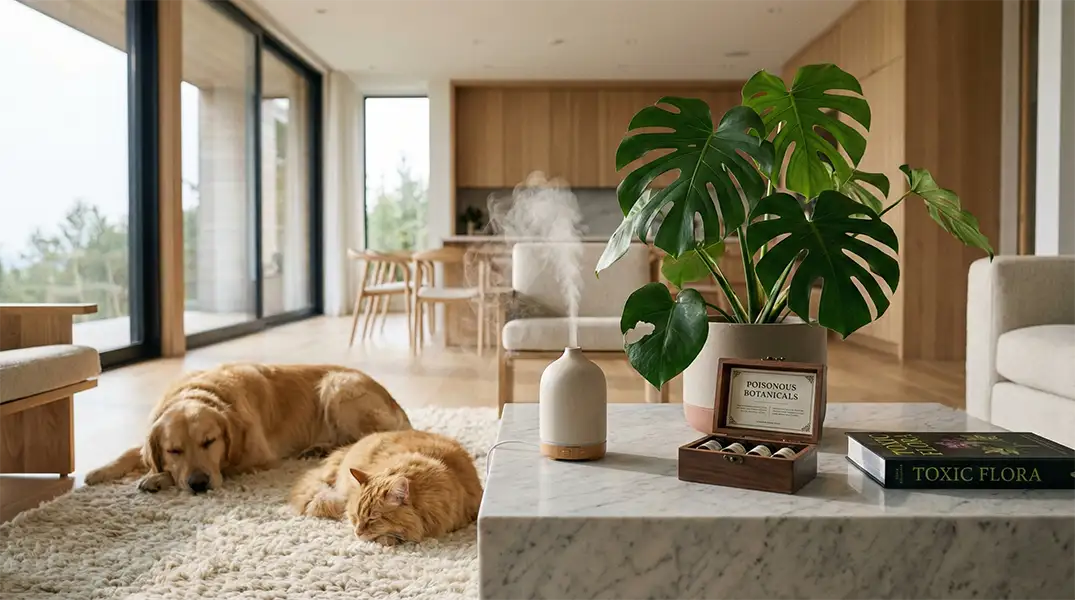
The living room is the beating heart of the home, where families gather to unwind. It is where we proudly display our thriving indoor jungles and set the mood with luxurious home fragrances. Unfortunately, this space is frequently the epicenter for environmental hidden pet toxins.
Let us start with the aesthetic appeal of houseplants. The massive resurgence in indoor botany has brought beautiful greenery into our homes, but many trending varieties are incredibly dangerous. The stunning Monstera Deliciosa, beloved by interior designers, contains insoluble calcium oxalates. If your curious kitten nibbles on a leaf, it can cause severe oral irritation, excessive drooling, and difficulty swallowing.
The elegant Sago Palm is even more insidious, harboring profound toxicity in its seeds and leaves that can cause fatal liver failure in dogs. Lilies, a common staple in beautiful floral bouquets, are so exceptionally toxic to cats that simply brushing against the pollen and grooming it off their fur can trigger acute kidney failure. Before bringing any new greenery indoors, you must cross-reference it with veterinary safety databases.+1
Beyond the foliage, we must address the air we breathe. Essential oil diffusers have become a staple for creating a spa-like atmosphere in our living areas. However, vaporized essential oils are major hidden pet toxins, particularly for felines who lack the specific liver enzyme required to metabolize them.
Oils like tea tree, eucalyptus, peppermint, and citrus can cause severe respiratory distress, lethargy, and even neurological tremors in pets. If you absolutely must use a diffuser, it should only be operated in a closed room where pets are strictly prohibited from entering. The lingering droplets settle on their fur, meaning they ingest these concentrated oils during their routine grooming.
Just as we carefully curate the gentle, imaginative stories in our Kids Corner to nurture your child’s mind, we must thoughtfully curate our physical spaces. A safe home environment allows both children and pets to explore, play, and rest without the looming shadow of accidental poisoning.
The Kitchen: A Minefield of Hidden Pet Toxins
Moving from the living room into the kitchen, the risk profile shifts from environmental hazards to culinary ones. The kitchen is a place of joy, baking, and sharing meals, making it incredibly tempting for a food-motivated dog. This room houses some of the most dangerous and surprising hidden pet toxins in your entire house.
The most terrifying modern hazard in the pantry is undeniably xylitol, an artificial sweetener that is rapidly gaining popularity. Xylitol is frequently found in sugar-free gums, diet baked goods, and increasingly, in certain brands of peanut butter. While perfectly safe for human consumption, it is a catastrophic poison for dogs.
When a dog ingests xylitol, their pancreas rapidly releases a massive surge of insulin. This causes a sudden, profound drop in blood sugar (hypoglycemia) that can lead to seizures, liver failure, and death within hours. It is so dangerous that the U.S. Food and Drug Administration (FDA) has issued official warnings specifically addressing xylitol toxicity in pets. You must read the ingredient label of every single item in your pantry, especially if you use peanut butter to hide your dog’s medication.
Beyond artificial sweeteners, natural whole foods also pose severe risks. Grapes and raisins are notorious hidden pet toxins. The exact toxic compound remains unknown to science, but the results are devastatingly clear: even a single dropped raisin can induce sudden kidney failure in a susceptible dog.+1
Similarly, the entire allium family—which includes onions, garlic, leeks, and chives—is highly toxic to both dogs and cats. These ingredients cause oxidative damage to red blood cells, leading to a severe condition called hemolytic anemia. Whether raw, cooked, or in a concentrated powder form, garlic and onions should never be accessible to your pets.
We often think we are being generous by letting our pets lick the dinner plate or catch a dropped scrap of seasoned meat. In reality, that savory garlic marinade or onion gravy transforms a harmless treat into a delivery system for hidden pet toxins. Absolute strictness in the kitchen is the only way to guarantee their safety.
Macadamia nuts, another premium baking staple, can cause weakness, tremors, and hyperthermia in dogs. The kitchen floor must be treated as a strict “no scavenging” zone, and trash cans must have secure, pet-proof lids. By keeping your culinary ingredients strictly separated from your pet’s diet, you eliminate the highest-risk threats in your home.
The Bedroom: A Sanctuary with Secrets

When we retreat to our bedrooms at the end of a long day, we expect absolute safety and relaxation. It is the room where our pets sleep at the foot of our beds, burrow under our blankets, and wake us up with morning cuddles. Yet, the items we keep closest to us on our nightstands are often the most severe hidden pet toxins in the entire home.
Human medications are the leading cause of pet poisoning worldwide. We often pop a painkiller in the dark before bed, occasionally dropping a pill on the rug without realizing it. To a dog with a powerful nose or a playful kitten batting at small objects, that single dropped pill is an irresistible temptation.
Over-the-counter non-steroidal anti-inflammatory drugs (NSAIDs) like ibuprofen and naproxen are highly toxic to our furry friends. While these medications safely cure our headaches, even a tiny dose can cause severe gastric ulcers and acute kidney failure in dogs and cats. Acetaminophen, another common nighttime pain reliever, is exceptionally fatal to felines, irrevocably damaging their red blood cells and liver tissue.
Beyond standard painkillers, prescription medications pose a massive risk. Antidepressants, ADHD medications, and blood pressure pills are frequently left unsecured on bedside tables. These highly concentrated pharmaceuticals act as devastating hidden pet toxins, capable of causing seizures, dangerously elevated heart rates, and neurological collapse in pets.
As devoted pet parents—the kind who proudly wear their devotion on a ZestoraLife Premium Cat Parent Graphic Tee—we must treat our bedrooms with clinical vigilance. All medications must be stored inside a drawer or a latched box, never left loose on a nightstand or in a reachable handbag. A simple zippered pouch can be the difference between a peaceful night’s sleep and a devastating midnight trip to the emergency vet.
Cosmetics and personal care items also contribute to the hazardous landscape of the bedroom. Night creams, heavily perfumed body lotions, and certain hair growth treatments containing minoxidil are dangerously toxic. If a cat rubs against your hair or licks your face after you have applied these treatments, they are actively ingesting hidden pet toxins that can lead to acute heart failure.
The Bathroom: Chemical Dangers and Curiosity
Moving into the bathroom, the concentration of hazards increases dramatically. This space is a laboratory of concentrated chemicals, cleaning agents, and fascinating—but deadly—objects that pets love to investigate. Because bathrooms are often small and enclosed, pets can easily become trapped in a highly toxic environment.
Cleaning the bathroom is a necessary chore, but the products we use require extreme caution. Bleach, heavy-duty toilet bowl cleaners, and mold removers are highly caustic hidden pet toxins. If a dog drinks from a recently treated toilet bowl, the chemical burns to their esophagus and stomach lining are excruciating and life-threatening.
Always keep the toilet lid firmly closed, especially if you use automatic drop-in tank cleaners that continuously release chemicals into the water. When actively cleaning the bathroom floor or shower, physically remove your pets from the area and ensure the room is completely ventilated and dry before letting them back in. Paws that walk across wet chemical cleaners will inevitably be licked clean later, directly ingesting those hidden pet toxins.
The medicine cabinet in the bathroom is just as dangerous as the bedroom nightstand. Child-proof caps are entirely ineffective against the crushing power of a dog’s jaw. A determined terrier can chew through a plastic pill bottle in seconds, turning a month’s supply of vitamins into a lethal overdose.
We must also be incredibly wary of physical hazards in the bathroom that act in tandem with chemical dangers. Dental floss, discarded hair ties, and cotton swabs are notorious linear foreign bodies. While not strictly chemical hidden pet toxins, they are deadly household items that cats frequently swallow, causing their intestines to bunch up and requiring emergency, life-saving surgery.
Just as we carefully curate helpful parenting insights and developmental advice in our Kids Corner to nurture your family, we must thoughtfully curate our physical spaces. A safe home environment allows both children and pets to explore, play, and rest without the looming shadow of accidental poisoning.
Ultimately, securing the bedroom and bathroom requires a shift in our daily habits. It means actively closing doors, securing trash cans with locking lids, and never underestimating what a bored or curious pet might decide to taste. By eliminating these accessible hidden pet toxins, we ensure our most private spaces remain true sanctuaries for every member of the family.
The Garage: A Chemical Storage Zone
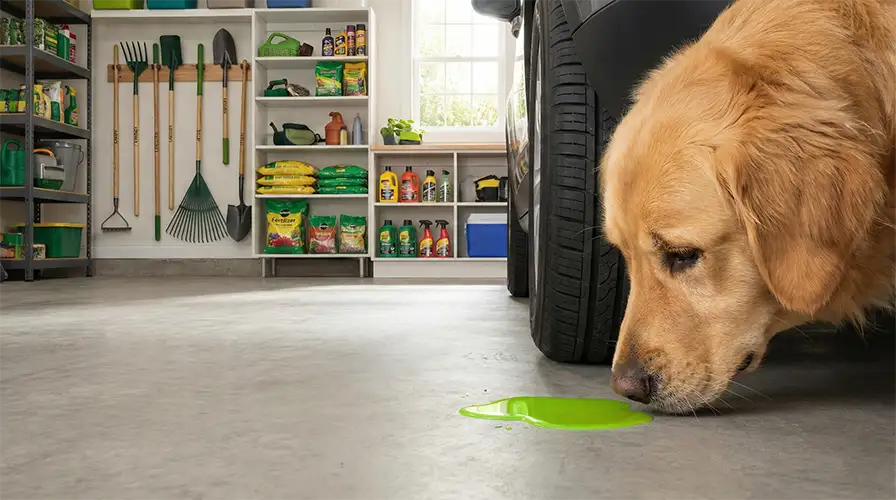
As we step out of the living areas and into the garage, the nature of the threats changes drastically. This space is fundamentally designed for heavy machinery, automotive maintenance, and bulk storage. Consequently, it is an absolute minefield of hidden pet toxins that require industrial-level vigilance.
The undisputed king of garage hazards is antifreeze, specifically products containing ethylene glycol. This chemical is uniquely dangerous because it has a remarkably sweet taste that dogs and cats actively seek out. Just a few drops licked from a puddle on the concrete floor can cause irreversible, fatal kidney failure within days.
If you spill even a single drop of antifreeze while topping up your car, you must clean it up immediately and scrub the area with heavy-duty soap. Better yet, look for pet-safe antifreeze alternatives made with propylene glycol. While still not healthy to ingest, it removes one of the most lethal hidden pet toxins from your property.
Beyond automotive fluids, the garage is where we typically store pest control products. Rodenticides, or mouse and rat poisons, are designed to be lethal and are flavored to be appetizing to scavengers. If your dog finds a bait block hidden behind a storage shelf, or if your cat catches a mouse that has recently ingested the poison, the results are catastrophic.
These poisons work by preventing the blood from clotting, leading to severe internal bleeding that often goes unnoticed until it is too late. There is absolutely no room for error here. All pest control chemicals, weed killers, and heavy-duty solvents must be locked inside sturdy, elevated cabinets. Simply placing them on a high shelf is not enough to protect against a determined, climbing cat.
The Garden: Nature’s Deceptions
Our outdoor spaces are where our pets experience the most joy, running freely and rolling in the grass. We spend weekends cultivating beautiful flower beds and lush lawns, creating a private oasis. However, landscaping materials and ornamental plants are some of the most overlooked hidden pet toxins facing Western pet parents today.
Take fertilizers and mulches, for example. Blood meal and bone meal are fantastic organic fertilizers that do wonders for your roses, but to a dog, they smell like a delicious, buried snack. Ingesting large quantities of these enriched soils can cause severe gastrointestinal blockages and dangerous spikes in iron or calcium levels.
Even more deceptive is cocoa bean mulch, a popular landscaping choice that smells delightfully like chocolate. Because it is made from the shells of cocoa beans, it contains theobromine—the exact compound that makes actual chocolate so deadly to dogs. Swapping this out for standard cedar or pine mulch instantly removes a massive source of hidden pet toxins from your yard.
We must also be fiercely protective regarding the actual plants we cultivate. While we covered indoor plants earlier, the garden presents threats on a much larger scale. Azaleas and rhododendrons are gorgeous, blooming shrubs commonly found in yards across the US and UK, but they contain grayanotoxins.
If a dog or cat chews on the leaves or petals of these shrubs, it can lead to a severe drop in blood pressure, cardiovascular collapse, and comas. Similarly, the beautiful Oleander bush is toxic from root to tip, containing cardiac glycosides that disrupt the heart’s natural electrical system. Before you plant a new spring garden, cross-referencing your nursery purchases with veterinary safety lists is an absolute necessity.
Snail and slug baits are another frequent garden hazard. Many of these products contain metaldehyde, which is highly toxic and rapidly absorbed. A pet that consumes this bait will experience extreme tremors, a dangerously high fever, and potentially fatal seizures. Organic, pet-safe pest deterrents are the only acceptable choice for a home with roaming animals.
Creating an Emergency Response Plan
Knowledge is your first line of defense, but preparation is your ultimate safety net. Despite our most rigorous efforts to eliminate hidden pet toxins, accidents can still happen. A dropped pill, a chewed bottle, or an unexpected encounter in a neighbor’s yard requires immediate, decisive action.
Every pet parent must have a poison emergency protocol firmly in place. This starts with programming the numbers for your primary veterinarian and the nearest 24-hour emergency animal hospital directly into your phone. In a panic, you do not want to waste precious minutes scrolling through search engines.
For our readers in the US, we highly recommend keeping the ASPCA Animal Poison Control Center hotline readily available. Having expert toxicologists on standby can guide your next steps before you even reach the clinic. Time is the most critical factor when dealing with hidden pet toxins, and knowing exactly who to call can save your pet’s life.
Create a dedicated pet first-aid kit and keep it easily accessible. While you should never induce vomiting without explicit veterinary instructions, having items like hydrogen peroxide on hand (if advised by a professional) can be crucial. Always keep the packaging or a sample of the ingested toxin to show the vet, as this dictates the specific antidote or treatment plan.
We build our lives around our pets because the unconditional love they provide is immeasurable. Whether you are reading a magical bedtime story from Zara Whisper’s Library or outfitting your pup in premium gear, their safety is the foundation of that joy. By remaining vigilant, auditing your home room-by-room, and ruthlessly eliminating these invisible threats, you are giving them the ultimate gift: a long, safe, and happy life by your side.